
The Invisible Fortress: Master the Ultimate Survival Garden Layout That Hides a Year’s Supply of Food in Plain Sight
When the grocery store shelves go empty, will you be standing in line or eating from your own backyard? Discover the stealth farming method that generates fresh calories on auto-pilot—without attracting hungry neighbors.
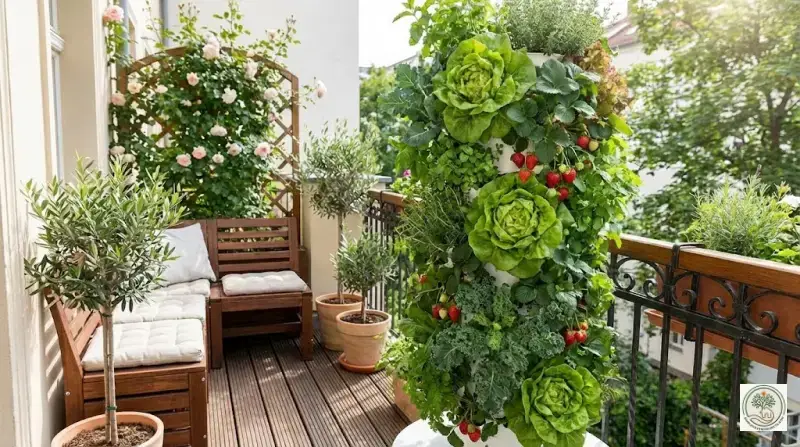
The clock is ticking.
We all saw what happened during the recent global disruptions. Supply chains are fragile. It only takes one cyberattack, one pandemic, or one geopolitical conflict to halt the trucks that deliver food to your local supermarket.
If you are a prepared individual, you probably have a pantry stocked with canned beans, rice, and MREs. That is a good start. But let me ask you a hard question: What happens when the cans run out?
You cannot store enough dry food to last forever. Real survival isn't about hoarding; it's about production. You need a living, breathing food source that replenishes itself.
But here lies the danger. In a true collapse scenario, a lush, sprawling vegetable garden in your front yard isn't an asset—it’s a target. If you are the only one with fresh tomatoes and corn when everyone else is starving, you become a magnet for looters. You need a system that is productive, sustainable, and most importantly, invisible.
The Fatal Flaw of Traditional Growing Food for Survival
Most people think "survival gardening" means plowing up half an acre of land and spending 8 hours a day weeding and watering. In a crisis, this is a death sentence.
- ❌ It wastes water: Water will be precious. You cannot afford to pour gallons into the ground.
- ❌ It exposes you: Being out in the open field makes you vulnerable.
- ❌ It requires constant labor: If you are sick or injured, your crops die.
The "Self-Replenishing" method changes the rules. Instead of planting out (wide rows), you plant up (vertical density). By utilizing a specific circular design with a "composting core," you can condense a sprawling farm into a 4-square-foot tower. To the untrained eye, it looks like a decorative pillar of leaves. But hidden within is a high-yield calorie engine.
Selecting the Best Plants for Survival Garden Systems
When space is limited, you need maximum nutrition per square inch. The problem with standard pots is that the soil gets exhausted. This stealth system solves the nutrient crisis using nature's perfect recyclers: Red Wiggler Worms.
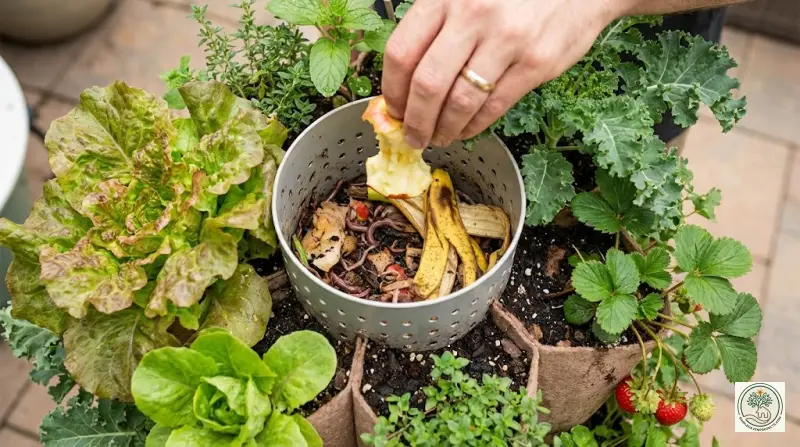
The design features a central "feeding tube." You drop your kitchen scraps into the center. The worms break this down and distribute rich, organic fertilizer directly to the roots. This allows you to grow nutrient-dense powerhouses like kale, spinach, peppers, and beans in a fraction of the space.
The Ultimate DIY Emergency Food Supply That Never Expires
Think of this system as your biological insurance policy. A canned peach has dead nutrients. A fresh vegetable plucked 5 minutes ago is medicine.
- ✅ Drought Proof: Uses 90% less water than traditional gardens.
- ✅ Weed Proof: Plants are elevated and dense; weeds can't take root.
- ✅ Work Proof: Requires almost zero maintenance. It waters and feeds itself.
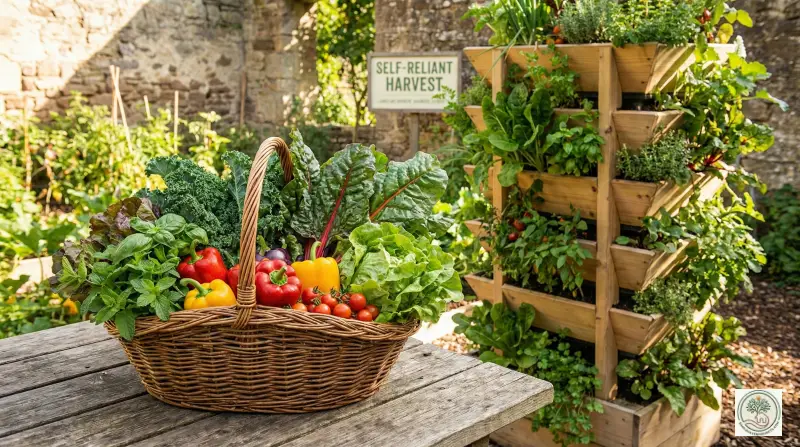
Imagine looking out your window during a crisis. The world is in chaos, lines at the store are miles long, but you are calm. You walk to your patio or your discreet backyard corner, reach into your "green pillar," and pull out dinner. Your neighbors just see a nice plant. You see survival.
The Blueprint for Food Independence
You don't need acres of land. You can set this up on a balcony, a small patio, or even indoors with grow lights. The technology behind this "Garden of Eden" effect is simple, but specific.
Don't wait until the supply chain snaps completely. By then, seeds and supplies will be gone. The best time to plant your survival garden was yesterday. The second best time is today.
[ BUILD YOUR FOOD FORTRESS ]
Stop relying on grocery stores that run empty in 24 hours. Discover the secret to generating fresh, organic food on auto-pilot, using a system that thieves won't even notice.
👉 CLICK HERE TO WATCH THE VIDEO PRESENTATION